





Water damage can feel like a small home issue at first. A leaking pipe, roof leak, flooded basement, appliance overflow, or storm-related water intrusion may seem easy to clean with towels and fans. But for many Long Island homeowners, the real problem begins after the water looks gone. Mold after water damage can grow fast. It can hide behind walls, under flooring, inside ceilings, around insulation, and in damp basements. Once moisture stays trapped, mold can spread and affect your home’s structure, indoor air quality, and comfort.
For homeowners in Long Island, NY, this risk is even more serious because of coastal humidity, seasonal storms, older homes, basements, crawl spaces, and high groundwater in some areas.
True Restoration helps Long Island homeowners deal with mold damage restoration, water damage cleanup, and emergency restoration needs. Their mold damage restoration service supports homeowners who need safe, licensed, and professional help after water damage.
1. What Is Mold After Water Damage?
Mold is a type of fungus that grows where moisture is present. Mold spores are always in the air. They become a problem when they land on wet materials and have enough moisture to grow.
After water damage, mold may grow on:
- Drywall
- Wood framing
- Carpet
- Ceiling tiles
- Insulation
- Baseboards
- Cabinets
- Furniture
- Stored boxes
- Basement walls
Mold after water damage is not just a surface stain. It is often a sign that moisture has entered materials and stayed there too long.
2. Top 10 Facts Every Long Island Homeowner Should Know About Mold After Water Damage
Fact 1: Mold Can Start Growing Within 24 to 48 Hours
One of the most important facts every Long Island homeowner should know is that mold can begin growing quickly after water damage. If wet areas are not dried within 24 to 48 hours, the risk of mold increases. This is why fast water removal and drying are so important.
Homeowners should not wait for a musty smell or visible black spots before taking action. By the time mold is visible, moisture may already be trapped behind surfaces.
Fact 2: Water Damage Is Not Always Visible
Water does not always stay where you can see it. It can travel into wall cavities, under vinyl flooring, beneath hardwood, behind cabinets, and into ceiling spaces. A floor may look dry on the surface while moisture remains below it. A wall may feel normal while the inside is damp.
Common hidden water damage signs include:
- Peeling paint
- Bubbling walls
- Soft drywall
- Warped flooring
- Musty odors
- Stains on ceilings
- Increased indoor humidity
- Condensation on windows
- Allergy-like symptoms indoors
Hidden moisture is one of the main reasons professional inspection and drying equipment can be useful after water damage.
Fact 3: Long Island Homes Face Unique Mold Risks
Long Island homes can face mold risks because of local weather and home conditions. Coastal air, humid summers, heavy rain, nor’easters, hurricanes, snow melt, and basement moisture can all create mold-friendly conditions. Older homes may also have aging roofs, older plumbing, poor ventilation, or unfinished basements. These issues can allow water to enter and stay trapped.
Long Island homeowners should pay close attention to:
- Basements after storms
- Attics after roof leaks
- Crawl spaces
- Bathrooms with poor exhaust fans
- Laundry rooms
- Finished basements
- Homes near coastal flood zones
- Areas around sump pumps and foundation walls
Fact 4: Musty Odors Often Signal Hidden Mold
A musty smell is one of the most common warning signs of mold after water damage. Even when you cannot see mold, the odor may mean mold or mildew is growing in a hidden area. Do not cover the smell with air fresheners. That does not solve the problem. The goal is to find the moisture source and remove contaminated materials safely.
A musty smell may come from:
- Wet carpet padding
- Damp drywall
- Moldy insulation
- Basement humidity
- HVAC ducts
- Water-damaged wood
- Stored cardboard boxes
Fact 5: DIY Mold Cleanup Can Spread Spores
Many homeowners try to clean mold with bleach, household cleaners, or paint. This may seem like a quick fix, but it can make the issue worse when the mold problem is large or hidden. Scrubbing mold without containment can release spores into the air. Spores can move into nearby rooms and settle on clean surfaces.
DIY cleanup may be risky when:
- Mold covers more than a small area
- Water damage came from flooding or sewage
- Mold is inside walls
- The HVAC system may be affected
- Someone in the home has asthma or allergies
- The home has repeated moisture problems
- The mold returns after cleaning
For serious mold after water damage, professional mold remediation is the safer option.
Fact 6: Mold Can Affect Indoor Air Quality and Health
Mold can affect people in different ways. Some people may have no symptoms. Others may develop coughing, sneezing, eye irritation, skin irritation, wheezing, or worse asthma symptoms.
People who may be more sensitive include:
- Children
- Older adults
- People with asthma
- People with allergies
- People with respiratory conditions
- People with weakened immune systems
Mold exposure should not be ignored, especially when water damage affects living areas, bedrooms, basements, or HVAC systems.
Fact 7: The Water Source Matters
Not all water damage is the same. The source of the water affects the cleanup process. Clean water from a supply line is different from water from a sewage backup or flood. Contaminated water can bring bacteria, debris, and other hazards into the home.
Common water damage sources include:
- Burst pipes
- Roof leaks
- Appliance leaks
- Water heater leaks
- Sump pump failures
- Storm flooding
- Sewage backups
- Foundation leaks
- Bathroom overflows
The more contaminated the water is, the more careful the cleanup needs to be.
Fact 8: Proper Drying Comes Before Mold Removal
Mold remediation is not only about removing visible mold. The moisture problem must be fixed first. If the area stays damp, mold can return.
Professional drying may include:
- Water extraction
- Moisture mapping
- Dehumidifiers
- Air movers
- Removal of wet materials
- Monitoring moisture levels
- Cleaning affected surfaces
- Containment when needed
Drying is one of the most important steps in preventing future mold growth.
Fact 9: New York Mold Remediation Rules Matter
New York has rules for mold assessment and remediation. In many cases, the company that performs mold testing should not be the same company that performs mold removal. This separation helps avoid conflicts of interest. Long Island homeowners should make sure they work with properly licensed mold professionals when professional remediation is needed. This matters because improper mold work can spread spores, miss hidden moisture, or fail to follow safe remediation practices.
Fact 10: Fast Professional Help Can Protect Your Home
The longer water damage sits, the higher the risk of mold growth and property damage. Fast action can help reduce damage, lower repair costs, and protect indoor air quality. A professional restoration company can help by finding the moisture source, removing damaged materials, drying the structure, and following proper mold remediation steps. For Long Island homeowners, quick help is especially important after storms, basement flooding, roof leaks, and plumbing failures.
3. How to Respond Step by Step After Water Damage
Taking quick action after water damage can significantly reduce the risk of mold growth and costly repairs. Many Long Island homeowners assume that removing visible water is enough. However, moisture often remains trapped behind walls, beneath flooring, and inside building materials. Following the proper response process can help protect your property and prevent mold from developing.
Step 1: Stop the Source of Water
The first priority is preventing additional water from entering the affected area. If the damage is caused by a burst pipe, leaking appliance, overflowing fixture, or roof leak, address the source immediately. The faster you stop the water, the less damage it can cause.
Step 2: Ensure Safety Before Entering the Area
Water damage can create electrical hazards and structural concerns. If standing water is present near electrical outlets, appliances, or wiring, turn off power to the affected area if it is safe to do so. Avoid entering flooded areas until you are certain the space is safe.
Step 3: Document the Damage for Insurance Purposes
Before beginning cleanup, take photos and videos of all affected areas. Capture damage to flooring, walls, furniture, personal belongings, and structural components. Thorough documentation can help support insurance claims and streamline the recovery process.
Step 4: Remove Standing Water Quickly
The longer water remains in your home, the greater the chance of mold growth. Use pumps, wet vacuums, towels, or professional extraction equipment to remove standing water as soon as possible. Fast water removal is one of the most effective ways to minimize mold after water damage.
Step 5: Dry the Area Thoroughly
Drying is often more important than water removal alone. Open windows when weather permits, use fans, and run dehumidifiers to reduce moisture levels. Professional restoration companies use industrial-grade drying equipment to remove hidden moisture from walls, flooring, and structural materials.
Step 6: Remove Water-Damaged Materials When Necessary
Some materials cannot be fully restored after significant water exposure. Wet drywall, insulation, carpeting, and ceiling tiles may need to be removed if they cannot be dried properly. Eliminating moisture-damaged materials helps prevent mold from spreading throughout the home.
Step 7: Inspect for Hidden Moisture and Mold
Even when surfaces appear dry, moisture can remain hidden behind walls and under flooring. Look for warning signs such as:
- Musty odors
- Water stains
- Bubbling paint
- Warped flooring
- Soft drywall
- Visible mold spots
Professional moisture detection equipment can identify hidden problem areas before mold becomes a larger issue.
Step 8: Monitor the Area During the Following Days
Mold can begin growing within 24 to 48 hours after water damage. Continue monitoring the affected area for signs of moisture, odors, or discoloration. Early detection allows homeowners to address issues before extensive remediation becomes necessary.
Step 9: Contact a Mold Remediation Professional if Needed
If mold is visible, water damage was extensive, or moisture remained present for several days, professional mold remediation may be necessary. A qualified restoration company can identify the source of moisture, safely remove mold, and help prevent future growth.
Step 10: Take Preventive Measures to Avoid Future Mold Problems
Once repairs are complete, focus on long-term prevention. Homeowners can reduce future mold risks by:
- Fixing leaks promptly
- Maintaining gutters and drainage systems
- Using dehumidifiers in damp areas
- Improving ventilation in bathrooms and kitchens
- Scheduling regular home inspections
- Addressing basement moisture issues quickly
Following these steps after water damage can help Long Island homeowners protect their homes, reduce restoration costs, and prevent mold from becoming a much larger problem.
4. When to Call a Mold Remediation Company
Long Island homeowners should call a mold remediation company when water damage is more than a small, surface-level issue or when moisture has been present for more than 24 to 48 hours. Mold can grow behind walls, under flooring, inside ceilings, and around damp basement areas before it becomes visible. You should also contact a professional if you notice a musty odor, visible mold spots, soft drywall, warped flooring, repeated basement moisture, or mold that returns after cleaning. In these situations, DIY cleanup may not fully remove the problem and can even spread mold spores to other areas of the home.
A professional mold remediation company can inspect the affected area, identify hidden moisture, contain the mold, remove damaged materials, and help restore safer indoor conditions. For homeowners in Long Island, NY, True Restoration provides mold damage restoration services designed to address mold at the source, not just the surface. If your home has experienced flooding, a plumbing leak, roof damage, appliance overflow, or storm-related water intrusion, calling True Restoration early can help limit further damage, reduce repair costs, and protect your home before mold spreads.
Water Damage
Restoration
Complete damage restoration, de-humidification, odor treatment & repairs of water-related emergencies. Call now and we’ll be on site within an hour, often sooner. Upon arrival, we’ll immediately make sure that the source of the water is stopped, decelerated, or neutralized, we will assist with the starting an insurance claim.
Smoke Damage
Restoration
Smoke damage may happen due to fire, cigarettes, or cooking, it can ruin electronic appliances and its smoke odors linger overtime soaking into carpets, walls, and furnishings and other porous surfaces. The True Restoration’s team of experts is dedicated to solving these problems, through years of experience and research.
Fire Damage
Restoration
Seeing your belongings burn before your eyes can be gut-wrenching, attempting to salvage or clean smoke/soot damaged is even worse. The good news is you don’t need to do any of this, we coordinate the safeguarding, cleaning & storage of all salvageable contents during the entire clean up & repair portion of the project.
Mold Damage
Restoration
True Restorations, a mold remediation company in Long Island, NY, specializes in complete mold removal and mold damage restoration services. True Restorations is an NYS licensed & certified mold remediation company consisting of licensed mold removal technicians and licensed mold removal supervisors.
5. Where Mold Commonly Hides in Long Island Homes
Mold often grows in places homeowners do not check every day.
Common hiding spots include:
- Behind drywall
- Under carpet padding
- Behind baseboards
- Inside closets
- Under bathroom vanities
- Around windows
- Behind washing machines
- In attics
- In basements
- Around HVAC systems
- Inside crawl spaces
- Behind kitchen cabinets
After water damage, these areas should be inspected carefully.
6. Who Is Most at Risk From Mold Exposure?
While mold exposure can affect anyone living in a water-damaged home, certain groups are more likely to experience health-related symptoms. Children, older adults, individuals with asthma, allergies, chronic respiratory conditions, or weakened immune systems are often the most vulnerable. Mold spores can become airborne and circulate throughout the home, potentially causing symptoms such as coughing, sneezing, nasal congestion, throat irritation, itchy eyes, skin irritation, and breathing difficulties. For people who already have respiratory issues, even a relatively small mold problem can worsen existing symptoms and affect overall indoor comfort. This is why homeowners should never ignore signs of mold growth after water damage, especially in frequently used living spaces such as bedrooms, family rooms, and finished basements.
Long Island homeowners should also consider how prolonged mold exposure may impact their entire household, including pets. Mold often grows in hidden locations behind drywall, under flooring, inside insulation, and around HVAC systems, allowing spores to spread without obvious visual signs. If family members notice worsening allergy symptoms at home, unexplained musty odors, or increased respiratory discomfort after a flood, leak, or plumbing issue, mold could be the underlying cause. In these situations, professional mold inspection and remediation services can help identify hidden contamination and restore a healthier indoor environment. Companies like True Restoration help Long Island homeowners address mold problems quickly and thoroughly, reducing the risk of long-term exposure and preventing further damage to both the property and the people living inside it.
7. Mold Prevention Tips for Long Island Homeowners
The best way to prevent mold is to control moisture.
Use these mold prevention tips:
- Fix leaks quickly
- Dry wet areas within 24 to 48 hours
- Use dehumidifiers in damp basements
- Keep indoor humidity under control
- Clean gutters often
- Make sure water drains away from the foundation
- Use bathroom exhaust fans
- Inspect the roof after storms
- Avoid storing cardboard in damp basements
- Check around appliances often
Small habits can prevent major mold damage later.
8. Why Choose True Restoration for Mold Remediation in Long Island?
When mold develops after water damage, choosing the right remediation company is critical. Mold removal is not simply about cleaning visible growth from surfaces. It requires identifying the moisture source, following proper containment procedures, safely removing contaminated materials, and ensuring mold spores do not spread throughout the property. True Restoration is a New York State licensed and certified mold remediation company serving Long Island homeowners and businesses with professional mold removal and mold damage restoration services. Unlike general contractors or cleanup companies, their team includes licensed mold remediation technicians and supervisors who follow all NYS mold remediation regulations and industry best practices throughout every stage of the process.
What sets True Restoration apart is its comprehensive, turn-key approach to mold damage restoration. Once a licensed mold inspector identifies dangerous mold levels and creates a remediation protocol, the True Restoration team follows strict containment procedures to prevent airborne spores from contaminating unaffected areas of the home. They identify and correct moisture intrusion issues, establish negative air environments using specialized air scrubbers, thoroughly clean and HEPA vacuum affected surfaces, and continue air scrubbing for several days after remediation is completed. This detailed process helps ensure that mold is not only removed but that the conditions allowing mold growth are addressed as well. After remediation, independent testing can confirm that the mold has been successfully eradicated, providing homeowners with added confidence and peace of mind.
Another reason Long Island homeowners trust True Restoration is their ability to simplify what can often be a stressful recovery process. Their “One Call Does It All” approach means clients receive both mold remediation and complete reconstruction services from a single company. If drywall, flooring, ceilings, or other finishes need to be removed during remediation, True Restoration can handle all necessary repairs to restore the property to its pre-loss condition. In addition, the company works directly with insurance providers, assists with filing claims, prepares detailed Xactimate estimates, and communicates with adjusters to help maximize eligible coverage. By combining licensed mold remediation expertise, full-service restoration capabilities, and insurance claim assistance, True Restoration provides Long Island property owners with a streamlined solution that saves time, reduces stress, and helps protect both their property and indoor environment.
Conclusion
Mold after water damage is a serious issue for Long Island homeowners. It can grow fast, hide behind surfaces, affect indoor air quality, and damage building materials. The most important step is quick action. Stop the water source, dry the area, check for hidden moisture, and call a licensed professional when the damage is more than minor. If your Long Island home has mold after water damage, True Restoration can help with professional mold damage restoration and emergency restoration services. Contact True Restoration today to protect your home, restore your space, and prevent mold from spreading further.
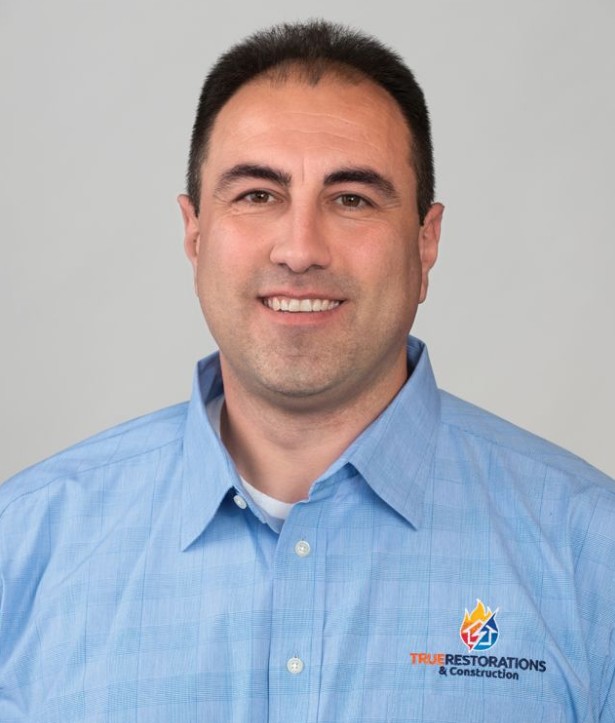
Frank Ranieri is the Co-Founder and CEO of True Restorations Inc., serving Long Island homeowners and businesses with nearly 11 years of restoration industry experience. Certified in water restoration, trauma cleanup, and health and safety, Frank specializes in helping property owners recover from water, fire, mold, and storm damage through expert guidance and quality restoration services.